Posted on 2026-03-16
Kitchen electrics in Swindon — planning a safe compliant kitchen
Planning a kitchen renovation in Swindon requires careful consideration of electrical requirements. Modern kitchens demand significantly more power than older properties typically provide, making proper electrical planning essential for safety and compliance.
Understanding Kitchen Electrical Requirements
Current Building Regulations and Safety Standards
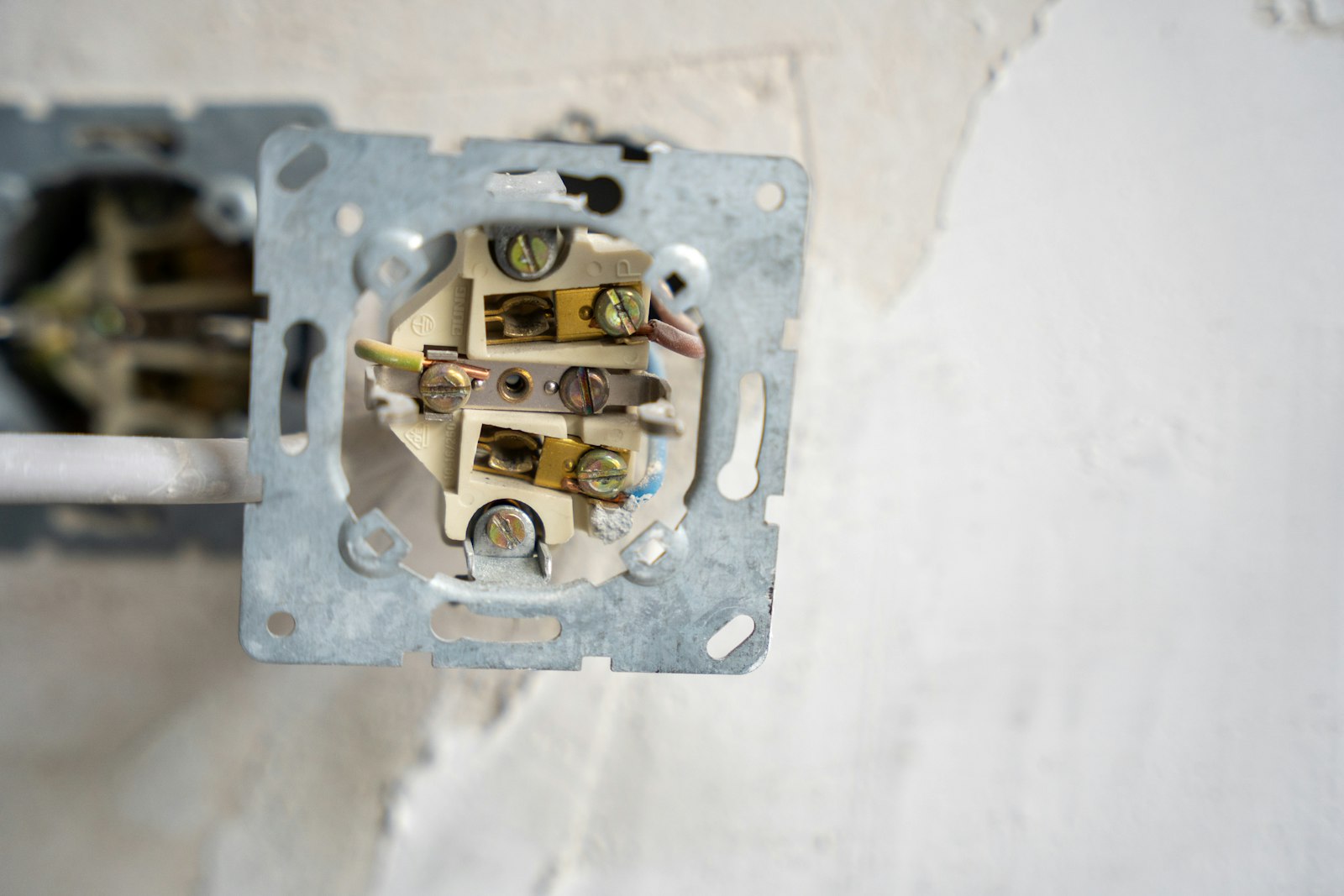
Kitchen electrical installations must comply with BS 7671 wiring regulations and Building Regulations building regulations. All circuits require RCD protection, and new installations need certification from a qualified electrician. In Swindon properties, particularly older Victorian and Edwardian homes, existing electrical systems often lack adequate capacity for modern kitchen appliances. The consumer unit may need upgrading to accommodate additional circuits, with costs typically ranging from £400-800 depending on complexity. Swindon Electricians ensures all kitchen electrical work meets current safety standards, providing necessary certificates for building control compliance. Proper earthing and bonding are crucial, especially where metal pipework and appliances create potential hazards.
Circuit Planning and Load Calculations
Effective kitchen electrical design requires calculating total electrical load across all appliances and lighting. A typical modern kitchen needs dedicated 32A circuits for electric ovens, separate 20A circuits for induction hobs, and 13A circuits for smaller appliances. Swindon properties often require consumer unit upgrades to handle these loads safely. Ring circuits serving kitchen sockets must be carefully planned to avoid overloading, with separate circuits recommended for high-power appliances like dishwashers and washing machines. Professional load calculations prevent nuisance tripping and ensure adequate capacity for future appliance additions. Kitchen lighting circuits should be separate from power circuits, allowing independent control and reducing interference. Proper circuit segregation also simplifies fault finding and maintenance work.
Socket Placement and Appliance Connections
Strategic Socket Positioning
Kitchen socket placement must balance accessibility with safety requirements. Sockets should be positioned at least 30cm from sink edges and avoid placement directly above hobs or cooking surfaces. In Swindon kitchen renovations, we typically install sockets at 150mm above worktop height, ensuring easy access without compromising splashback designs. Under-cabinet sockets serve small appliances whilst maintaining clean worktop aesthetics. Island units require careful planning for power distribution, often necessitating floor ducting or overhead feeds from ceiling voids. Switch sockets provide better control over permanently connected appliances like coffee machines or food processors. USB sockets are increasingly popular for charging devices, though standard sockets offer greater flexibility for future needs.
Dedicated Appliance Circuits
Major kitchen appliances require dedicated electrical connections to operate safely and efficiently. Electric ovens typically need 32A cooker circuits with appropriate control switches, whilst induction hobs may require separate high-capacity supplies. Integrated appliances in Swindon kitchens often need accessible isolation switches, positioned where they won't be accidentally operated but remain reachable for maintenance. Dishwashers and washing machines benefit from dedicated 13A fused connections, preventing circuit overload during simultaneous operation. Extractor fans require appropriate switching arrangements, often linked to lighting circuits or operated by separate controls. Built-in microwaves and combination ovens need adequate ventilation and appropriate electrical feeds. Installation costs for appliance circuits typically range from £180-350 per circuit, depending on routing complexity and existing infrastructure.
Lighting Design and Controls

Task and Ambient Lighting Solutions
Kitchen lighting requires layered approach combining task, ambient and accent lighting for optimal functionality. Under-cabinet LED strips provide essential task lighting for food preparation, whilst ceiling-mounted downlights offer general illumination. In Swindon kitchens, dimmer controls allow lighting adjustment throughout the day, creating appropriate ambience for different activities. Pendant lights over islands or dining areas need dedicated circuits and appropriate switching arrangements. LED technology offers energy efficiency and longevity, though proper driver selection ensures compatibility with dimming controls. Emergency lighting may be required in larger kitchens or commercial installations. Lighting circuits should incorporate RCD protection and appropriate switching to meet current regulations.
Smart Controls and Automation
Modern kitchen lighting benefits from smart control systems offering convenience and energy savings. PIR sensors automatically activate under-cabinet lighting when cabinets are opened, whilst timer controls manage extractor fan operation. Smart switches allow remote lighting control and programming for security when properties are unoccupied. In contemporary Swindon homes, integrated home automation systems control lighting, ventilation and appliances from single interfaces. Wireless switches eliminate additional wiring whilst providing flexible control options. Scene lighting creates different moods for cooking, dining and entertaining. Installation of smart controls typically adds £150-400 to standard lighting circuits, depending on system complexity and integration requirements.
Safety Features and Compliance
RCD Protection and Earth Bonding
All kitchen electrical circuits must incorporate RCD protection to prevent electrocution risks from earth faults. Supplementary bonding connects exposed metalwork including taps, sinks and gas pipes to prevent dangerous potential differences. In older Swindon properties, existing installations may lack adequate earth bonding, requiring upgrades during kitchen renovations. Main equipotential bonding ensures gas and water services are properly earthed at their point of entry. Socket outlets within 3 metres of sinks or taps need additional protection considerations. Regular electrical testing identifies bonding deterioration or inadequate connections. Swindon Electricians provides comprehensive testing and certification ensuring all safety requirements are met. Installation typically costs £200-450 depending on property size and existing infrastructure condition.
Testing and Certification Requirements
Kitchen electrical installations require thorough testing and certification upon completion. Initial verification tests confirm proper installation, earth continuity and RCD operation. Electrical Installation Certificates provide legal compliance documentation for building control and insurance purposes. Periodic inspection and testing every 5-10 years maintains safety standards throughout the installation's life. In Swindon rental properties, landlords must ensure electrical installations receive regular professional inspection. Testing identifies potential problems before they become dangerous, including loose connections, insulation deterioration and RCD faults. Minor Electrical Installation Works Certificates cover smaller additions like additional sockets or lighting circuits. Professional certification costs typically range from £150-300 depending on installation complexity and testing requirements.