Posted on 2026-03-13
Electrical safety tips for Swindon homeowners
Electrical safety in your home isn't just about avoiding shocks – it's about protecting your family and property from serious hazards. These essential tips will help Swindon homeowners identify risks and maintain safe electrical systems throughout their properties.
Recognising Warning Signs of Electrical Problems
Visual and Audible Danger Signals
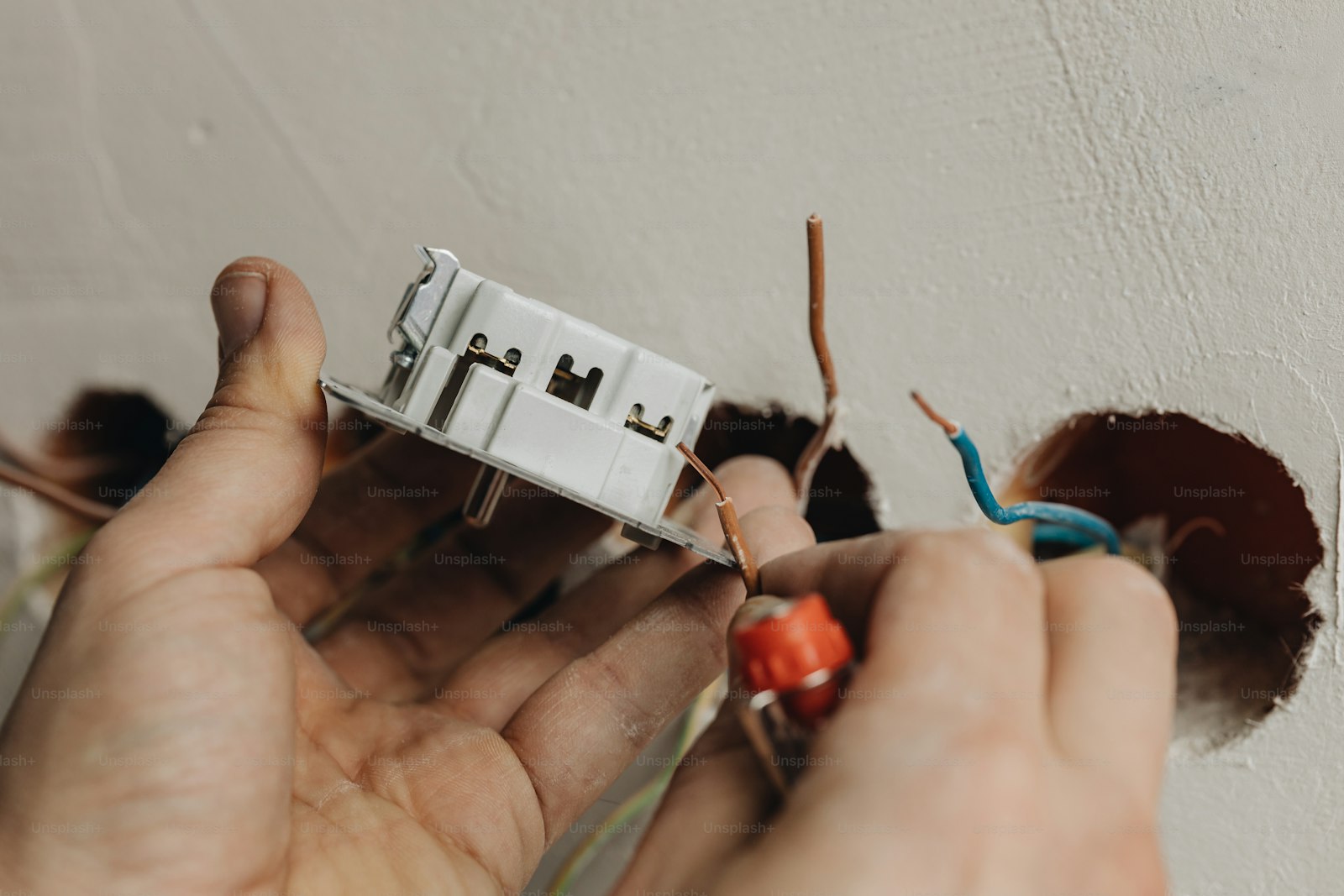
Flickering lights, burning smells, or buzzing sounds from outlets are serious warning signs that require immediate attention. Scorch marks around switches or plugs indicate dangerous overheating, whilst sparks when plugging in appliances suggest faulty wiring. Many Swindon homeowners overlook these early warnings, but addressing them promptly can prevent house fires. If you notice lights dimming when appliances start, this often indicates overloaded circuits that need professional assessment. Swindon Electricians recommend never ignoring these symptoms – what seems minor can quickly escalate into a dangerous situation requiring emergency intervention.
Circuit Breaker and Fuse Box Issues
Frequently tripping circuit breakers or blown fuses indicate your electrical system is working harder than it should. Whilst older Swindon properties often have outdated fuse boxes, modern circuit breakers should only trip occasionally. If you're constantly resetting breakers or replacing fuses, this suggests overloaded circuits, faulty appliances, or deteriorating wiring. Never upgrade fuses to higher ratings as a quick fix – this removes essential protection and creates fire risks. A properly functioning electrical system should handle normal household loads without constant interruption. Professional inspection typically costs £80-120 and can identify whether you need circuit upgrades or consumer unit replacement.
Safe Electrical Practices in Daily Life
Proper Use of Extension Leads and Adapters
Extension leads should be temporary solutions, not permanent wiring substitutes. Daisy-chaining multiple extensions creates dangerous overload risks, particularly in older Swindon homes with limited socket provision. Always check the maximum load rating – typically 13 amps for standard leads – and avoid exceeding this limit. Coiled extension leads generate heat and should always be fully unwound before use. Quality matters significantly; cheap adapters often lack proper safety features and surge protection. When you find yourself regularly using extensions, this indicates insufficient socket provision requiring additional circuits. Professional socket installation costs £120-180 per outlet and provides safer, more convenient power access.
Water and Electricity Safety Measures
Water and electricity create lethal combinations, making bathroom and kitchen safety paramount. Never touch electrical switches or appliances with wet hands, and ensure all bathroom electrical work complies with current regulations. RCD protection is mandatory in wet areas – these devices cut power within milliseconds if they detect earth leakage. Garden electrical safety requires weatherproof equipment and proper outdoor socket installation. Many Swindon homeowners underestimate risks from damp conditions affecting indoor wiring. Outdoor sockets should have IP65 rating minimum and RCD protection. If you experience any tingling sensation from appliances or switches, disconnect power immediately and contact Swindon Electricians for urgent assessment.
Appliance and Electrical Maintenance
Regular appliance inspection prevents many electrical accidents and extends equipment lifespan. Check plugs and cables monthly for damage, paying particular attention to areas where cables enter appliances. Damaged insulation exposes live wires creating shock and fire hazards. Replace any appliance with frayed cables immediately rather than attempting repairs with tape. Portable appliance testing (PAT) isn't legally required in homes but provides valuable safety assurance, particularly for older equipment. Keep electrical equipment clean and well-ventilated – dust accumulation can cause overheating. When purchasing electrical items, always choose products bearing CE markings and buy from reputable suppliers to ensure safety compliance.
Home Electrical System Maintenance
Regular Testing and Inspections
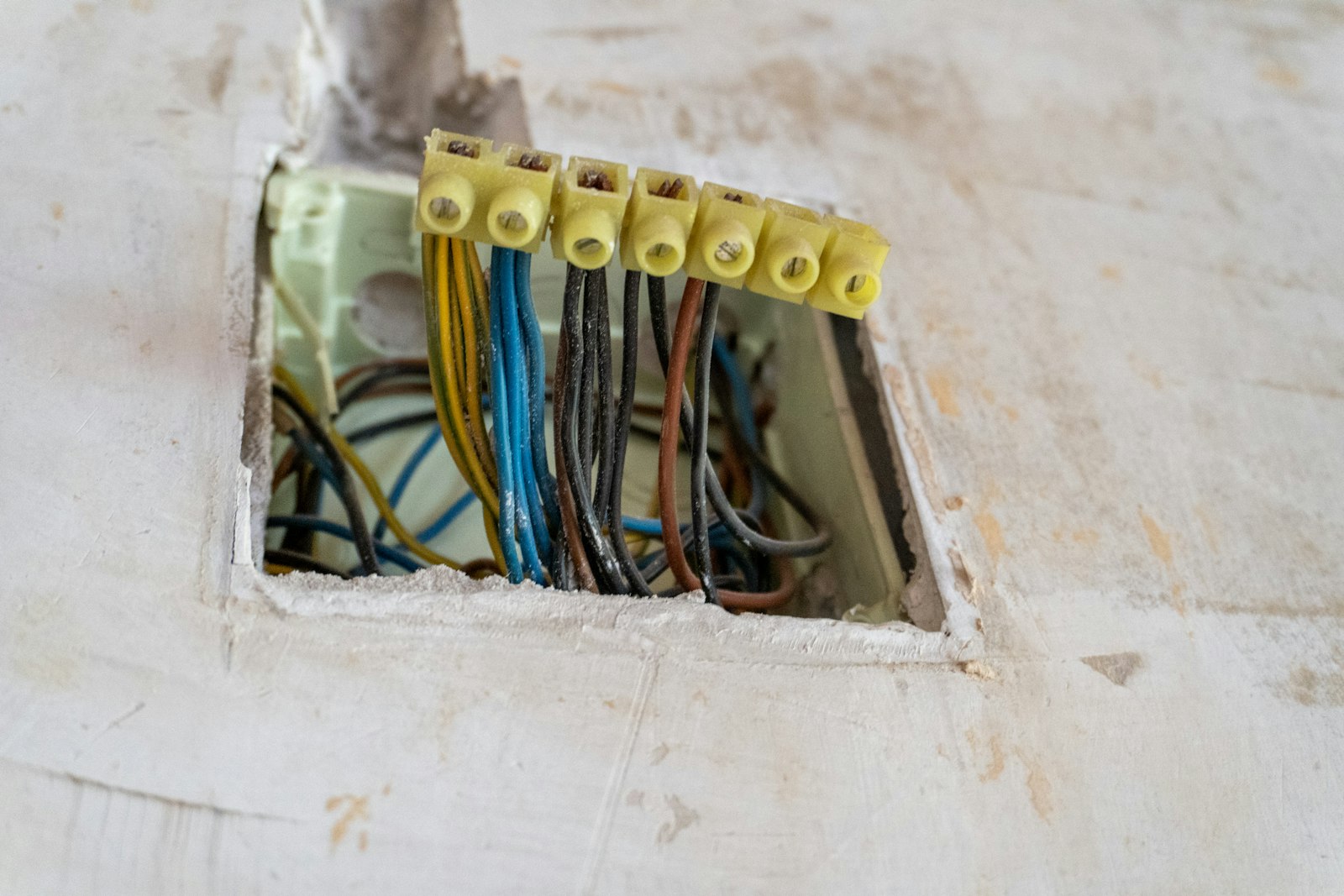
Electrical Installation Condition Reports (EICRs) should be conducted every 10 years for owner-occupied homes, or every 5 years for rental properties. These comprehensive inspections examine your entire electrical system, identifying deterioration, damage, or non-compliance with current standards. Many Swindon properties built before 1990 require updates to meet modern safety requirements. RCD testing should occur quarterly using the test button – if the device doesn't trip immediately, it needs professional attention. Smoke alarm testing is equally important; interconnected mains-powered systems provide superior protection compared to battery units. Professional EICR inspections cost £200-350 depending on property size and typically identify issues before they become dangerous.
When to Call Professional Electricians
DIY electrical work is legally restricted and potentially dangerous – only qualified electricians should undertake installations or modifications. Adding new circuits, socket outlets, or light fittings requires Building Regulations compliance and certification. Emergency situations demanding immediate professional attention include exposed wires, electrical burning smells, or any shock experiences. Swindon Electricians provide same-day emergency response for urgent safety issues, operating Monday to Thursday 8:30am-6pm and Friday 9am-4pm. Non-urgent work is typically scheduled within 2 working days. Never ignore electrical problems hoping they'll resolve themselves – early intervention prevents costly damage and ensures family safety. Professional qualification ensures work meets current standards and includes necessary certification for insurance and resale purposes.
Emergency Electrical Safety Procedures
Immediate Response to Electrical Emergencies
During electrical emergencies, your first priority is cutting power at the main switch or consumer unit. Never touch anyone receiving an electric shock directly – use a non-conductive object like a wooden broom handle to separate them from the electrical source. If someone has been shocked, seek immediate medical attention even if they appear unharmed, as internal injuries may not be immediately apparent. Electrical fires require different handling from ordinary fires – never use water on electrical fires as this increases electrocution risk. Disconnect power if safely possible, then use a Class C fire extinguisher or fire blanket. During power cuts affecting Swindon areas, avoid using candles near curtains or furniture, and never use outdoor equipment indoors for heating or lighting.
Preventing Electrical Emergencies
Prevention remains the most effective safety strategy through proper planning and regular maintenance. Install surge protection devices to guard expensive equipment against voltage spikes common during storms. Ground fault circuit interrupters (GFCIs) provide essential protection in areas where water and electricity might interact. Ensure your family knows the location of the main electrical disconnect and how to operate it safely. Create an emergency contact list including Swindon Electricians' number (01793 612 101) for urgent electrical issues. Regular professional inspections identify potential problems before they become emergencies. Many electrical emergencies stem from overloaded circuits or deteriorating connections that proper maintenance could have prevented. Investment in prevention typically costs far less than emergency repairs or fire damage restoration.